Practice
Vastu for Workspaces
1 minute read
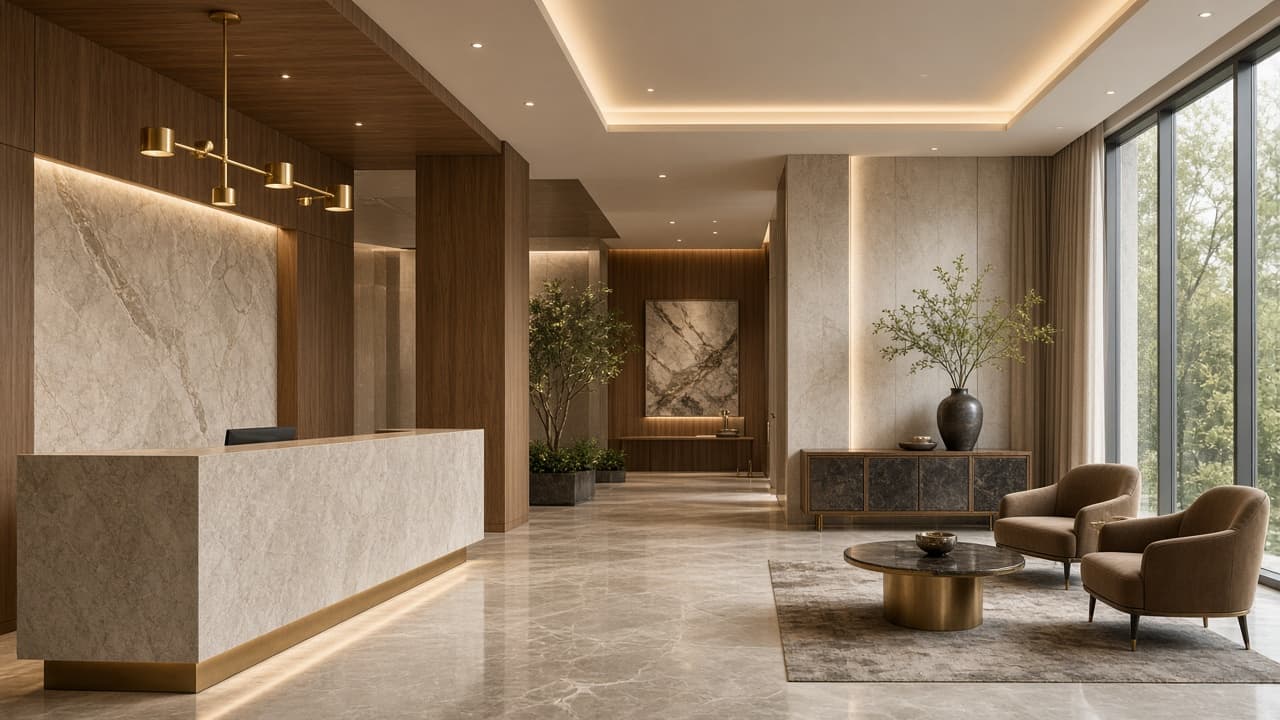
The same discipline, a different brief
Residential and commercial consultations use the same underlying attention to orientation, entrance, and layout. They do not produce interchangeable advice. A home is organised around household life. A shop, office, or clinic is organised around work, clients, staff, and storage. The concern that prompted the visit decides which rooms matter most.
What changes in a workplace
In a commercial visit, the path from the street to the working rooms is often part of the question. So is the room where accounts are kept, the cabin used for meetings, or the counter where people are received. A recommendation that suits a family living room may be irrelevant, or actively awkward, in a reception.
Commercial guidance still has a firm boundary. It does not predict revenue, and it does not tell an owner how to price, hire, or borrow. Those decisions have their own professions.
What changes in a home
A residence is assessed through occupation. Who sleeps where, where the family eats, which room has become an office, and which door is really the front door are all part of the reading. Privacy matters here in a particular way: details shared so the home can be understood are not material for a public case study unless you later agree to that in writing.
Mixed-use buildings
Some properties are both. A shop below a flat, or a home with a client room, needs the brief to say which part of the building the consultation is for. Trying to cover every use in a vague way produces vague guidance. The form asks for property type and concern so this can be sorted before the visit.
If you are unsure which description fits, choose “Multiple concerns” or “Other” and describe the building in your own words.